


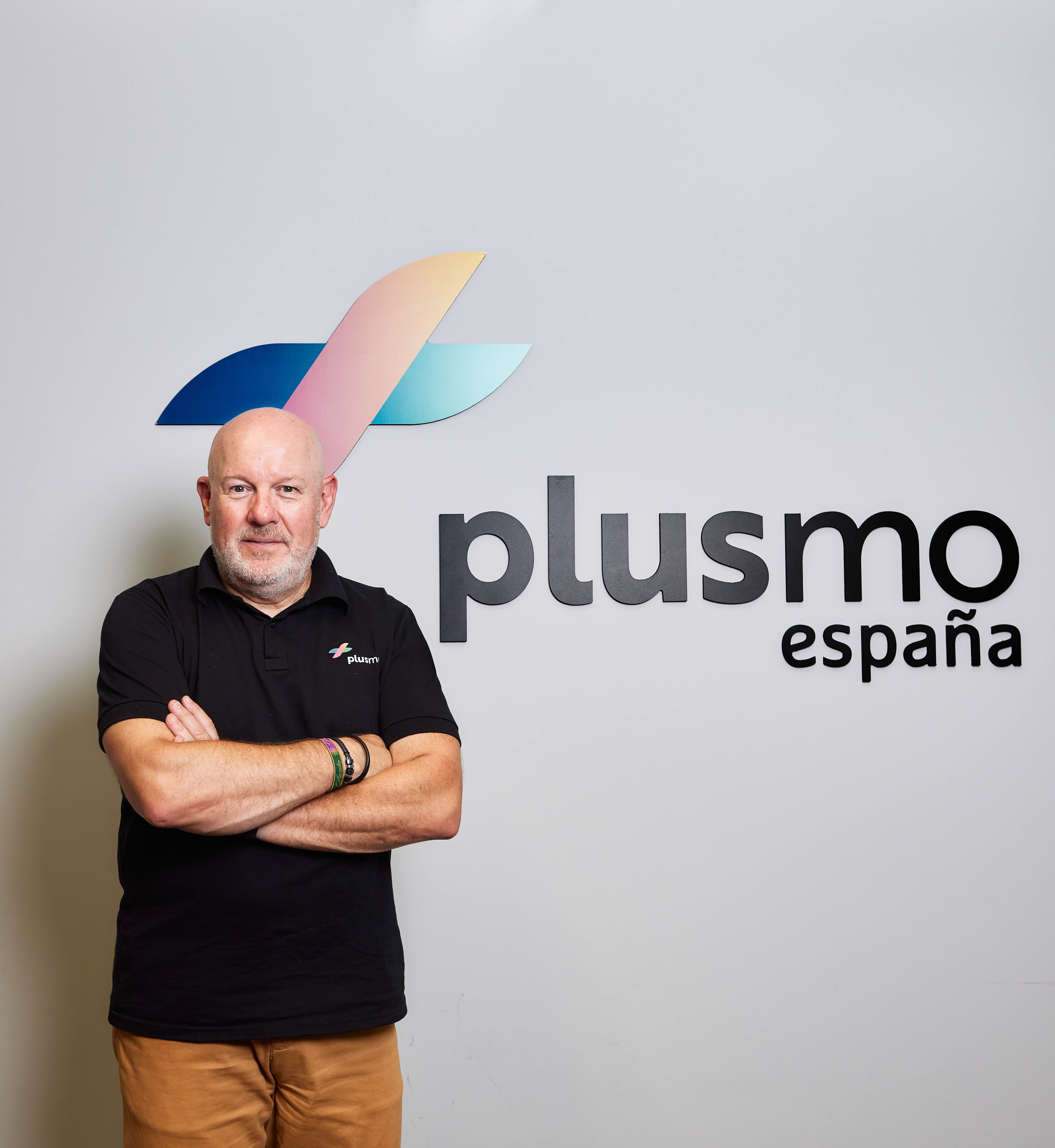
Mario García Sánchez, Country Sales Director, Plusmo Spain
The RCS standard is entering a new phase. During its early years, its evolution was closely associated with marketing, with messages incorporating images, carousels, buttons, videos, and other rich media features to enhance the experience beyond traditional SMS. But its business potential goes far beyond making communications more visually engaging.
RCS can become an interaction layer for transactional processes such as notifications, authentication, confirmations, inquiries, and other operations that are part of the everyday relationship between a company and its customers.
This potential is already reflected in market growth. According to Juniper Research, global operator revenue associated with RCS for Business is expected to reach US$2 billion in 2026 and US$6.5 billion by 2030, representing a 225% increase.
The architecture of the standard itself also illustrates where RCS is heading. It currently defines four major use cases: OTP, promotional, multi-use, and transactional. The transactional category covers communications related to products or services the customer already has, including confirmations, payment receipts, and reservation information.
This is being reinforced by the ongoing technological evolution of the standard. The GSMA recently released Universal Profile 4.1, which introduces improvements focused on RCS stability, efficiency, interoperability, privacy, and security. In May, iOS 26.5 also introduced end-to-end encryption for RCS messages exchanged between compatible Apple and Android devices.
This makes it possible to view the channel from a different perspective: not simply as a richer format for sending messages, but as an environment where part of the customer interaction itself can take place.
The shift is particularly relevant in authentication and identity. The standard supports OTP agents for account authentication, two-factor authentication, password resets, and transaction confirmations. Google also documents that OTPs received through RCS can integrate with automatic verification mechanisms on Android and be detected for autofill on iOS.
Sender identity adds another layer of trust. In a verified business RCS conversation, users can recognize the company’s name and logo and confirm that they are interacting with a verified sender. Compared with an SMS received from a number or alias, this distinction can help reduce confusion and strengthen protection against practices such as smishing, phishing, and brand impersonation.
Perhaps the most significant change lies in the customer experience. Today, a transactional communication may require users to go through several steps: read a message, copy a code, open a link, switch to a browser or app, sign in, and finally locate the transaction or service they need. With RCS, part of that interaction can take place directly within the messaging environment.
As a result, the message stops being merely a destination for information and becomes a point of action. Confirming a transaction, checking information, modifying a reservation, tracking a shipment, canceling a service, or completing an authentication process are all examples of interactions that can be integrated into a conversational experience.
For businesses, this means reducing friction and making it easier for customers to resolve simple transactions without immediately redirecting them to other channels. It also creates greater continuity throughout the customer journey, since the same infrastructure can support authentication, onboarding, confirmation, delivery, and customer service processes.
This evolution does not mean that RCS should replace SMS or become the only channel for business communications. The challenge is to incorporate it into a multichannel architecture that uses RCS when available, falls back on SMS when necessary, and routes customers to WhatsApp, an app, the web, or a contact center when the complexity of the interaction requires it.
The next phase of RCS is about bringing messaging to the center of the processes businesses need to manage with their customers.
A channel that once served primarily to deliver information can now also become a space where users take action. That is likely the fundamental qualitative leap enabled by RCS.
At Plusmo, we work with companies that are evaluating exactly this: how to integrate RCS into their communications architecture without abandoning SMS or forcing a full migration. If your organization is considering taking that step—or is still unsure where to begin—we can help design an omnichannel strategy tailored to your needs.